Lineage of Forrest · French · 1827 to 1886
Maxime Lalanne
The man who wrote the book on etching, and drew Bordeaux and Paris as if the line were charcoal.
Lalanne's Traité de la gravure à l'eau-forte (1866) was the manual every etcher of the revival read, Haden and Whistler included, and his own plates of demolitions in Paris, the quays of Bordeaux and the Rhine towns are models of how to draw a city: a firm eye level, buildings built from a few planes, and tone from parallel lines that thicken toward the shadows. He also drew in charcoal with a softness that made him famous, and the two habits inform each other.
For a beginner he is the bridge between the Line and Mass halves of this program: his etchings are line that behaves like tone, and his charcoals are tone that keeps the structure of line.
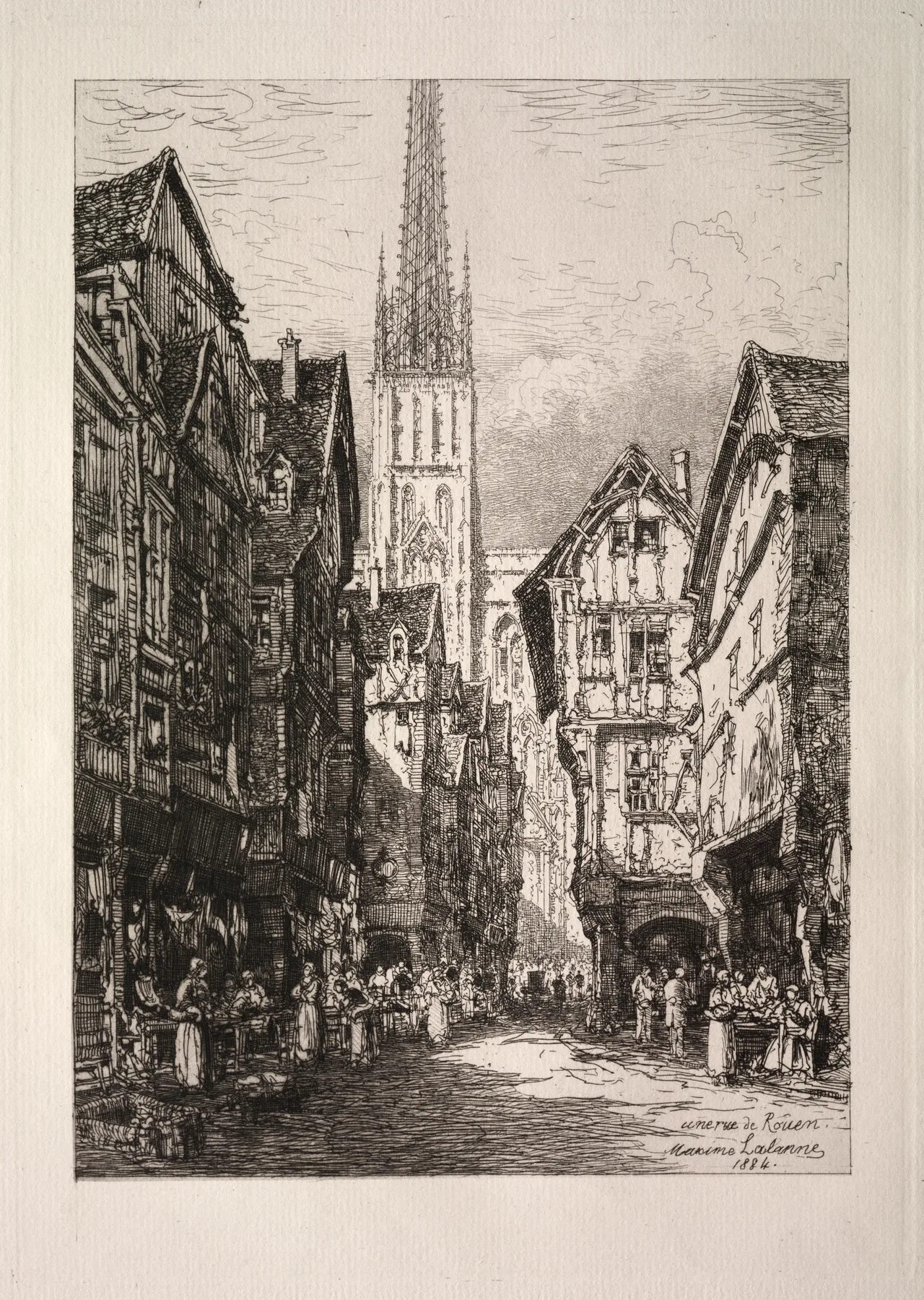
Lalanne, A Street in Rouen, 1884. etching on chine collé.
The Cleveland Museum of Art · Gift of John Bonebrake
What to steal
- 1Tone from parallel line, thickening into the shadow and opening into the light.
- 2A city block as three planes and a roof, with the detail hung on afterwards.
- 3The sky as a few horizontal strokes, or nothing.
How to look
- Find the eye level. Every window sill above it tilts down, every one below tilts up.
- Look at how the hatching changes direction from wall to roof.
Studies 3 guided · 14 plate copies
All 17 →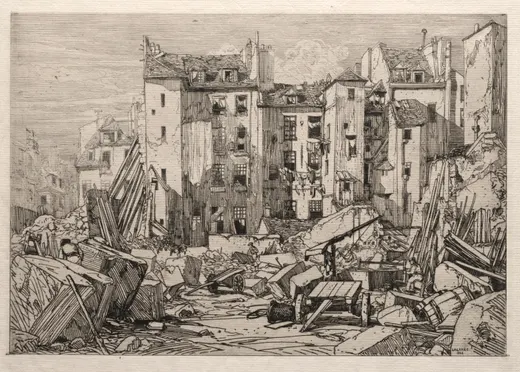 Master study
Lalanne
Demolition of Old Houses in Paris
Party walls, rubble and a city block as three planes
3h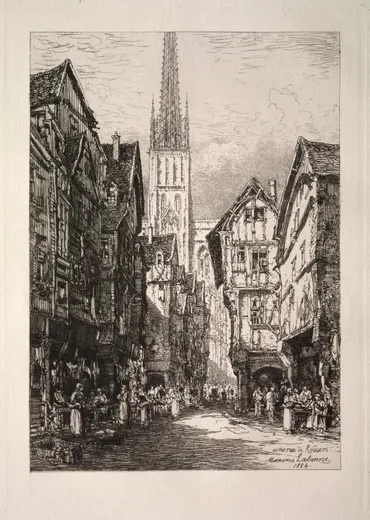 Master study
Lalanne
A Street in Rouen
Timber houses, a spire, and a crowd on the eye level
3h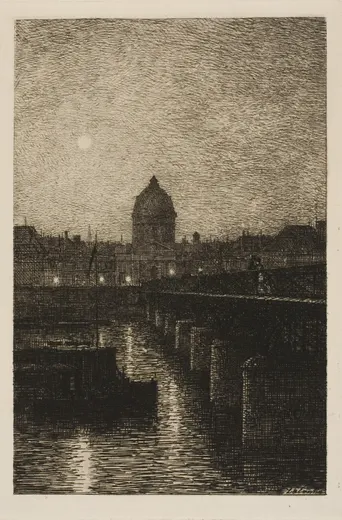 Master study
Lalanne
Le Pont des Arts at dusk
A bridge, a lamp and a dome drawn as masses in failing light
2h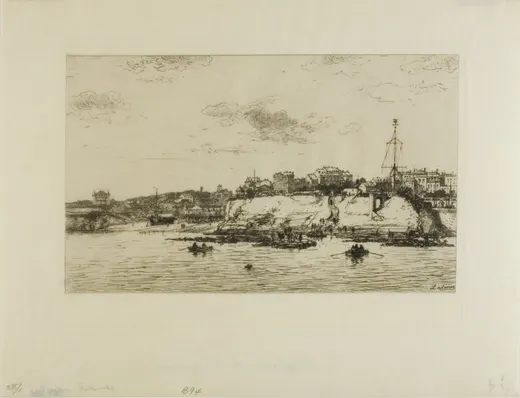 Plate copy
Lalanne
The La Plataine Bridge at Royan
Lalanne, 1876: a plate copy from an etched line
2.5h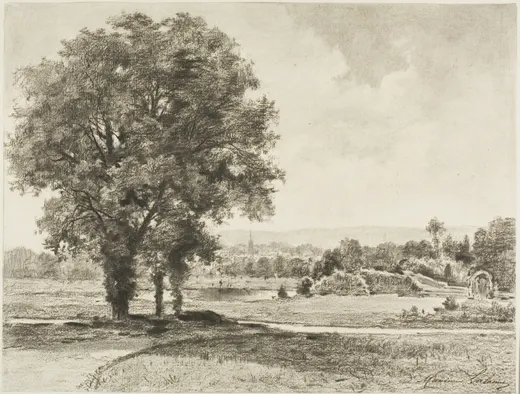 Plate copy
Lalanne
Landscape
Lalanne, 1870/75: a plate copy from charcoal and chalk
2h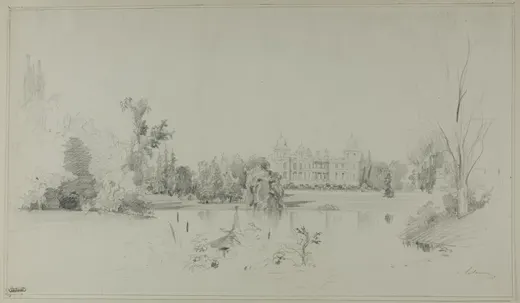 Plate copy
Lalanne
Park of M. de Rothschild at Ferrières
Lalanne, c. 1860: a plate copy from graphite
2h
Works
17 public-domain
Landscape
1870/75 · Charcoal
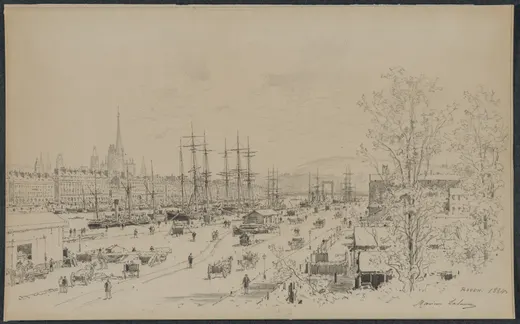
Port of Rouen
1884 · graphite
Park of M. de Rothschild at Ferrières
c. 1860 · Graphite
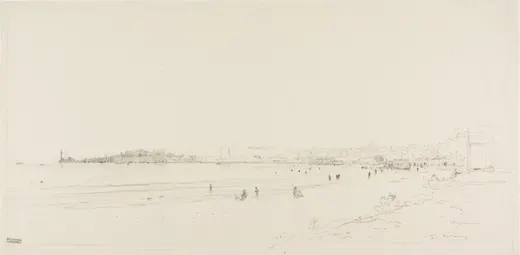
The Beach at Royan
n.d. · Graphite
Demolition of Old Houses in Paris
1862 · etching
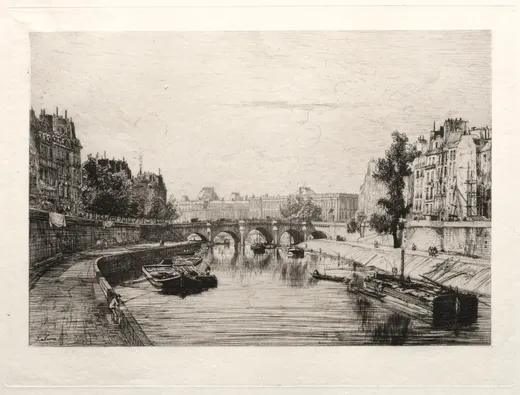
View from Pont St. Michel
1865 · etching
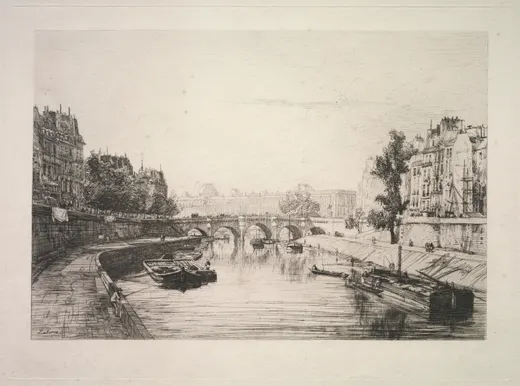
View from St. Michel Bridge
1865 · etching
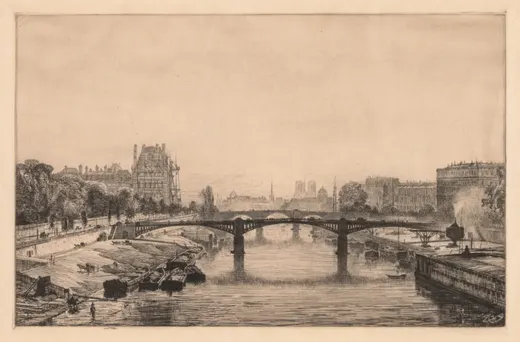
Paris, View from the Concorde Bridge
1866 · etching
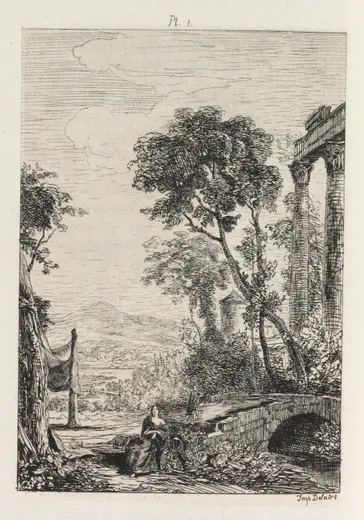
Traité de La Gravure a l’eau forte: Plate 1
1866 · etching
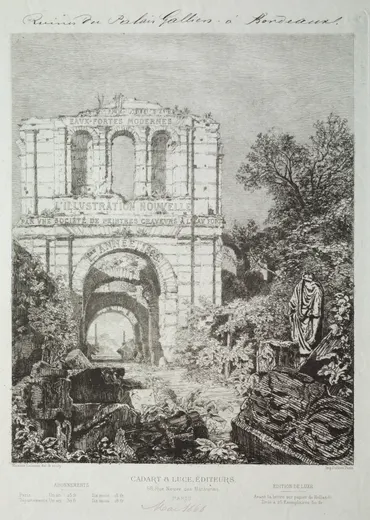
Ruins of the Gallien Palace in Bordeaux
1866–68 · etching
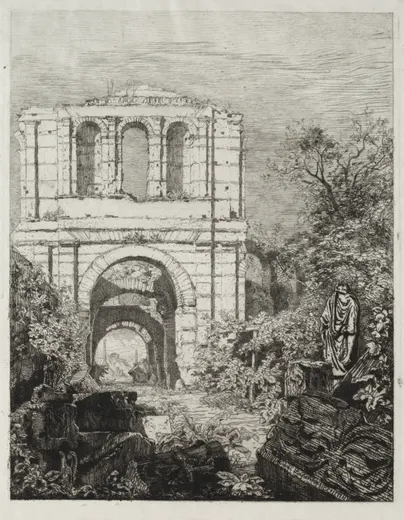
Ruins of the Palais Gallien in Bordeaux
1866–74 · etching
Le Pont des Arts
1869 · Etching and drypoint
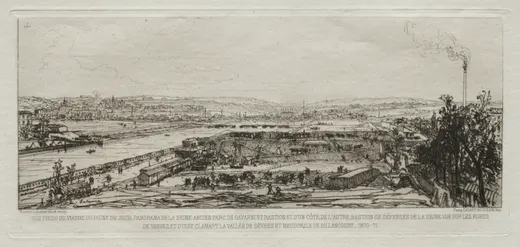
View from the Viaduct at the Pont-du-Jour, Panorama de la Seine
1870–71 · etching
The La Plataine Bridge at Royan
1876 · Etching
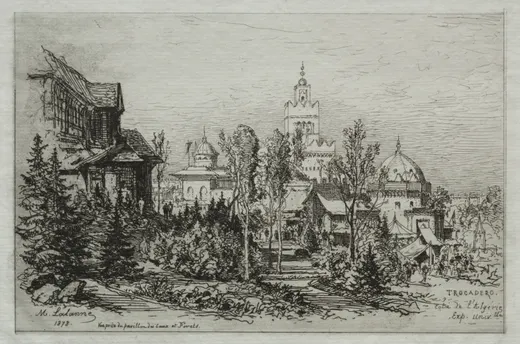
The Algerian Palace at the Trocadero
1878 · etching
A Street in Rouen
1884 · etching
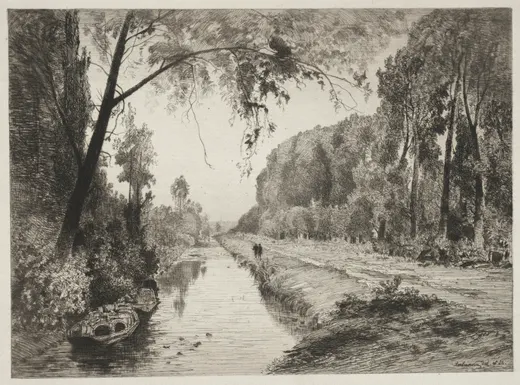
Canal at Pont Sainte-Maxence
c. 1878 · etching