A personal atelier · Landscape and Architecture in Graphite
Mass before line.
Line before detail.
Landscape and architecture in graphite, taught step by step for a complete beginner, after Corot and the architectural draughtsmen of Robert Smith Forrest's tradition. A visual for every technique. Real public-domain masterworks as references. You draw on paper; the screen teaches.
- 49
- sessions
- 59
- techniques, each with a visual
- 148
- masterworks, public domain
The program
Eight units. Two halves of one craft, alternating, then fused.
About 44 hours of guided sessions over roughly 24 weeks at twenty minutes a day. Every session has a warm-up, numbered steps with a figure each, what it should look like, the failures every beginner makes, and an honest self-check.
- Unit 0Line + Mass
Before the First Mark
How the program works, the kit, a looking session with the masters, and a baseline drawing you will keep forever.
4 sessions
- Unit 1Line + Mass
Instrument Control
Lines from the shoulder, line weight, pressure and layers, flat tone and gradients, the value scale, the six marks, and tone from spacing.
7 sessions
- Unit 2Line + Mass
Seeing
Sighting angles, comparative measurement, plumb and level, negative shapes, envelope and masses, light on form.
6 sessions
- Unit 3Mass
Mass: the Corot Half
Squint and notan, the three divisions of light, aerial perspective, daylight values, trees as masses, branches and sky holes, water and ground, charcoal and the souvenir.
8 sessions
- Unit 4Line
Line: the Draughtsman's Half
Eye level and perspective, convergence and bays, the broken line, tone from line, the arch in perspective, and a master copy of the young Corot.
7 sessions
- Unit 5Line
Architecture
The pointed arch, the round arch and the tower, tracery, mouldings and shadows, masonry, roofs and windows, the ruin, and the street with figures.
8 sessions
- Unit 6Line + Mass
Composition
Format and horizon, thumbnails and grouping, focal hierarchy and edges, the framing device, the depth stack.
5 sessions
- Unit 7Line + Mass
Capstone
Two full master copies, one in line and one in mass, then your own fusion: a Gothic ruin drawn true, standing inside Corot's air. Then the souvenir, and the review of the box.
4 sessions
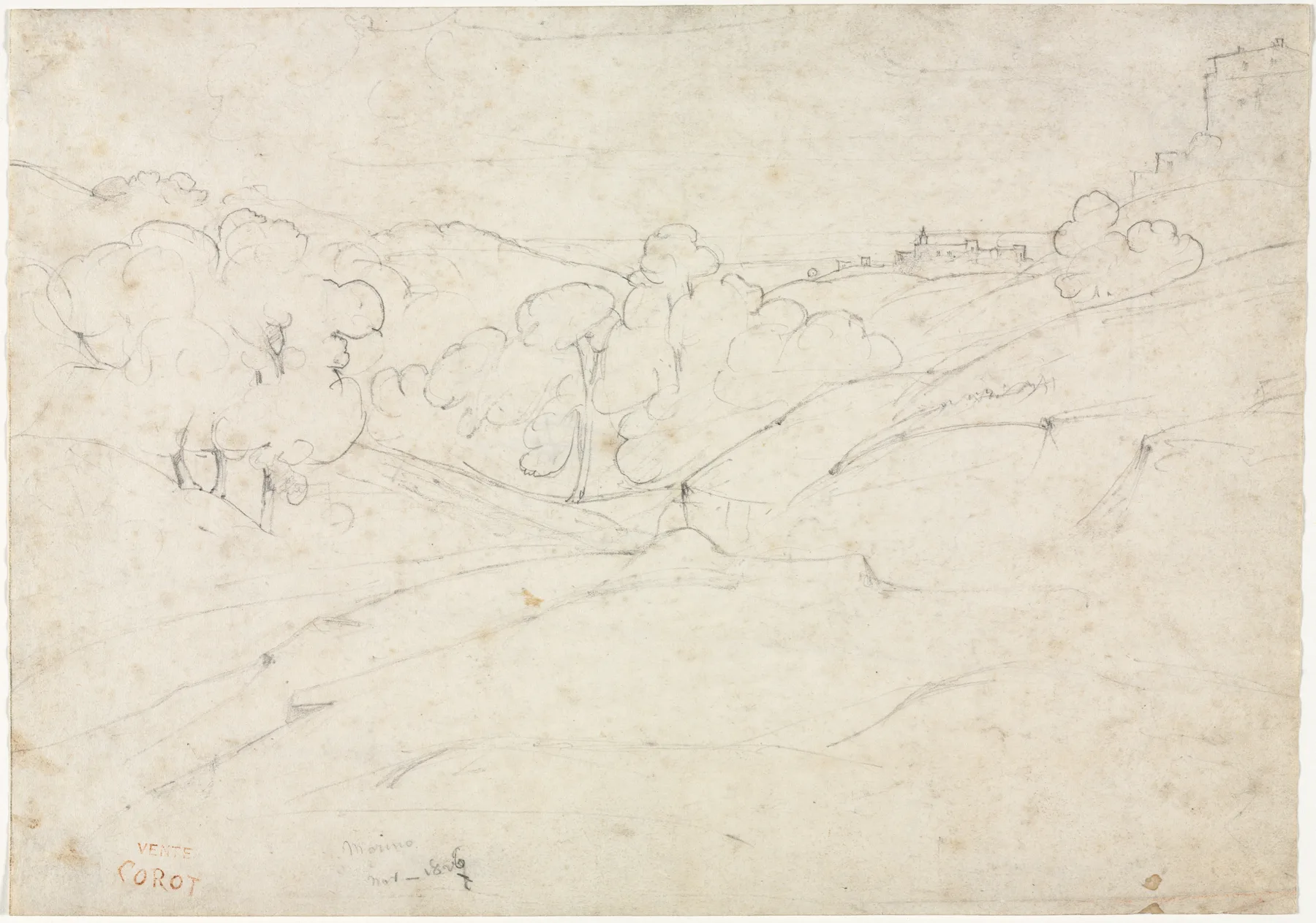
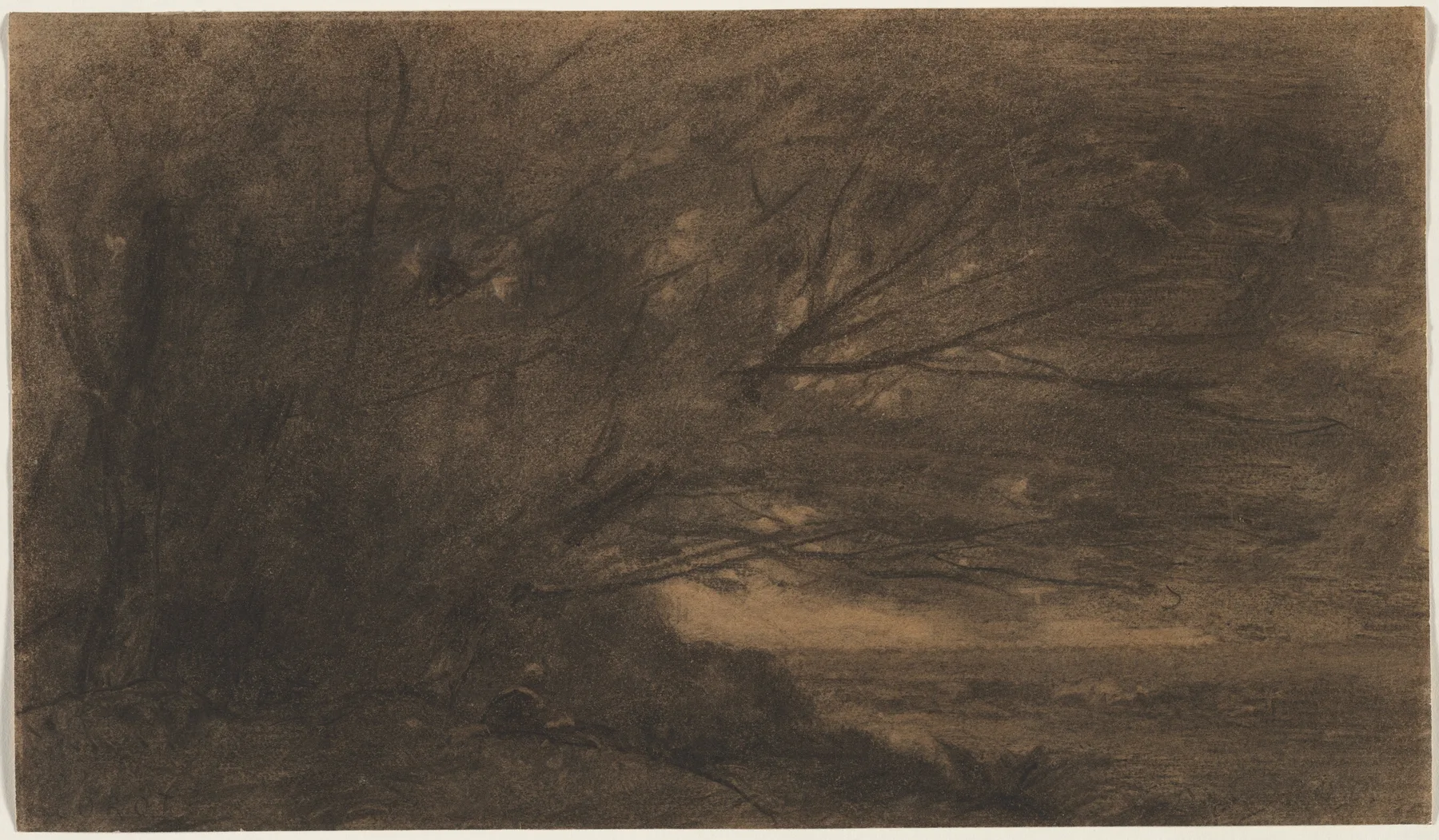
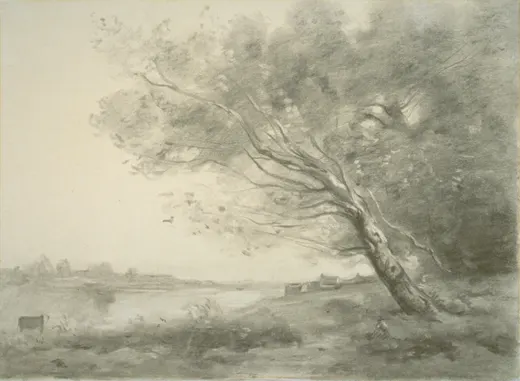
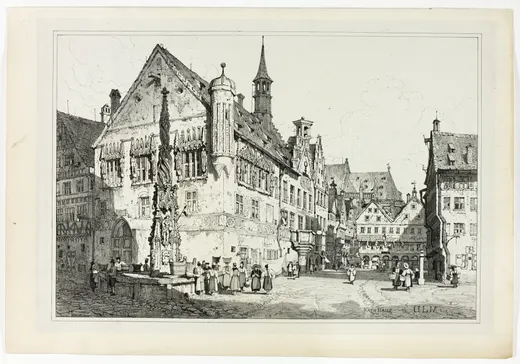
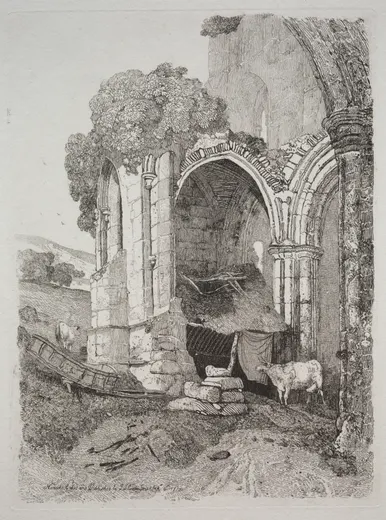
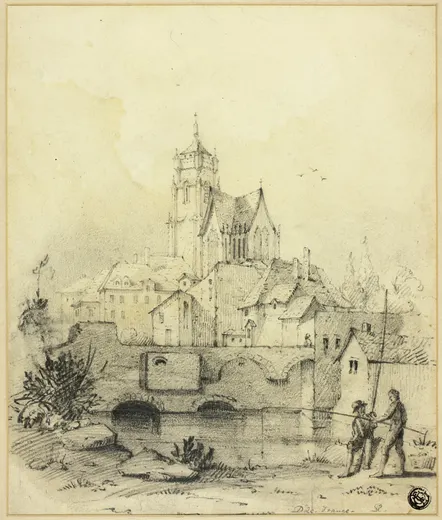
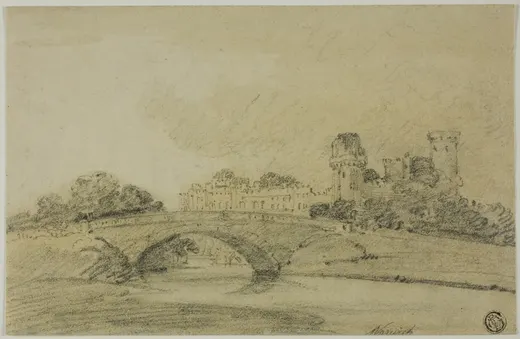
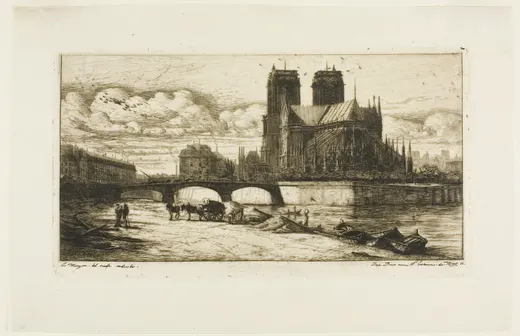
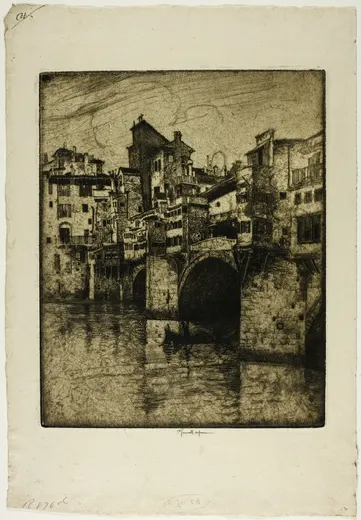
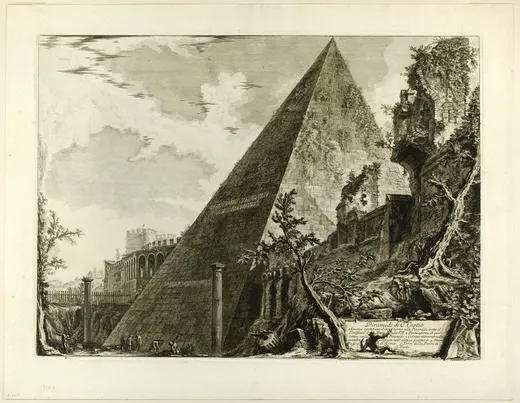
The masters
Two hands you named, and the lineage behind one of them.
How a session works
- 1
Warm up
Five minutes of the same drills every day: lines from the shoulder, pressure ramps, a flat square. The hand loosens.
- 2
Follow the steps on paper
Each step has a figure: a diagram of the technique or a master drawing with pins showing where to look. You draw by hand, beside the screen.
- 3
Check honestly, log it, box it
Three to five yes-or-no questions. Tick them truthfully and the session is recorded. Date the sheet and put it in the box.
Built to grow
Artists, mediums and styles are data, not code.
Adding a master is one profile file plus one harvest entry; the open-access museums supply the public-domain works. Techniques carry their own figures (58 diagrams so far). New courses slot into the same session format. Graphite is live; the rest is scaffolded.
Graphite
livePencil and charcoal. Landscape and architecture.
Charcoal
plannedMass, atmosphere, the late Corot.
Pen and ink
plannedThe etcher's discipline, in the hand.
Watercolour
plannedCotman, Girtin, Prout: wash over structure.